Exactly How to Select Assisted Living Near Me Without Really feeling Overwhelmed
Business Name: BeeHive Homes of Farmington
Address: 400 N Locke Ave, Farmington, NM 87401
Phone: (505) 591-7900
BeeHive Homes of Farmington
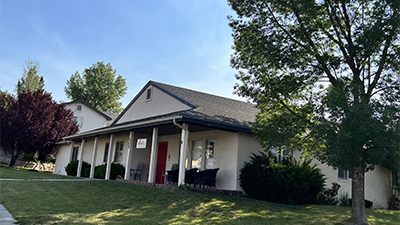
Beehive Homes of Farmington assisted living care is ideal for those who value their independence but require help with some of the activities of daily living. Residents enjoy 24-hour support, private bedrooms with baths, medication monitoring, home-cooked meals, housekeeping and laundry services, social activities and outings, and daily physical and mental exercise opportunities. Beehive Homes memory care services accommodates the growing number of seniors affected by memory loss and dementia. Beehive Homes offers respite (short-term) care for your loved one should the need arise. Whether help is needed after a surgery or illness, for vacation coverage, or just a break from the routine, respite care provides you peace of mind for any length of stay.
400 N Locke Ave, Farmington, NM 87401
Business Hours
The search for assisted living rarely begins as a neat planning project. It usually begins with a moment that really feels a little also real. Maybe a parent missed out on medications two times in one week. Possibly the refrigerator is complete, but nothing fresh has been consumed. Maybe a loss, a driving scare, or a stack of accounts payable made it clear that living alone has become harder than it looks from the outside.
That is why the phrase "assisted living near me" gets keyed in into a search bar with such seriousness. People are not buying a way of living upgrade. They are trying to fix a trouble, typically while lugging regret, fatigue, and a dozen point of views from siblings, physicians, and next-door neighbors. The stress to make the best choice can really feel extreme due to the fact that, in an extremely practical sense, it is. The ideal neighborhood can bring safety, structure, and alleviation. The incorrect one can produce disappointment, extra expenditure, and an uneasy sensation that nobody is really paying attention.
The good information is that this choice becomes a lot less overwhelming as soon as you recognize what to look for and what to overlook. Assisted living is not one single experience, and the most effective selection is rarely the fanciest structure or the local address on the map. It is the place that fits the individual's actual needs, practices, spending plan, and personality. That takes some sorting, however not nearly as much as individuals fear when they first begin.
Start with the individual, not the brochure
The most convenient error is to begin with facilities. A sleek dining room, a calendar loaded with activities, and a joyful web site can all be guaranteeing, however they do not address one of the most important inquiry: what does this older adult demand assist with every day?
Assisted living is made for people that do not need constant skilled nursing care but do require assistance with some combination of bathing, clothing, dishes, medicine reminders, housekeeping, movement, or supervision. That support can look very different from one resident to another. Someone may require assistance only in the mornings and like a fairly independent routine. An additional may require reminders throughout the day and close oversight as a result of memory adjustments, equilibrium issues, or chronic illness.
Before touring neighborhoods, it assists to write down what is in fact taking place in your home. Not what the household wishes is occurring, yet what is. Is the person eating routine dishes? Are they showering securely? Are they missing drugs? Are they lonely, puzzled in the evening, or struggling to keep up with your house? A clear photo of daily life makes the search much more precise.
Families usually discover that what they assumed was "just a little lapse of memory" is truly a pattern, or that what looked like "stubbornness" is in fact anxiety of losing self-reliance. Those information matter. Assisted living ought to sustain function, not simply offer a positive area to live.
Know the difference between assisted living and other senior care
Many people start by looking for senior care near me and quickly recognize that the choices are a lot more diverse than anticipated. That can be valuable, but it additionally produces decision tiredness. Assisted living is one part of a bigger care continuum, and understanding where it sits can protect against costly mismatches.
Assisted living generally works well for people who can still take part in their day with some assistance. It is not the same as independent living, where residents usually take care of every little thing themselves. It is also not the like a nursing home, which is much better suited to people with complex medical requirements needing 24-hour skilled care. Memory care can be component of an assisted living neighborhood, but dedicated memory care is typically extra structured and protected for residents with moderate to innovative dementia.
There is additionally respite care, which is often ignored. Respite care can be a temporary stay that gives family caretakers a break after surgical procedure, throughout traveling, or during a period of fatigue. It is not just a back-up strategy. For some family members, it ends up being the most intelligent means to check whether a community feels like the ideal fit prior to making a longer commitment.
If the language around care levels really feels complex, that is normal. Neighborhoods use comparable terms in somewhat different methods, and sales teams normally emphasize what their structure succeeds. The useful inquiry is not "What do they call this?" however "What degree of everyday aid is really supplied, and what happens if needs enhance?"
What to search for when you tour
A tour can inform you much more than a shiny package ever will, yet only if you take note of the ideal information. Tidy floors matter, yet so does whether the team seems rushed. Attractive typical locations matter, but so does whether homeowners are sitting alone or engaged with each other. A community can look gorgeous and still feel slim on warmth.
The most valuable indicators are often small. Are people resolved by name? Do caregivers make eye contact when they speak? Does the dining-room really feel lively or stock? Are homeowners walking around with dignity, or do they seem handled rather than sustained? An excellent assisted living neighborhood does not really feel like a hotel making believe to be a care setting. It feels like a location where routines are constant and individuals are known.
Pay attention to the living spaces also. A small apartment may suffice for one resident, while an additional needs a one-bedroom format simply to protect a sense of splitting up between sleeping and living. Wardrobe space, washroom safety features, lights, and the capacity to individualize the area can matter more than people expect. If somebody has constantly had a certain chair, a preferred lamp, or an upper body of family photos, those familiar things can alleviate the shift significantly.
Smell is an additional underappreciated idea. Solid smells, either of pee or frustrating anti-bacterial, can signal bad housekeeping or hurried care. Neither is a good indication. So is a dining-room that really feels strangely silent at nourishment. A healthy neighborhood has a rhythm. It may not be best, but it should really feel lived in.
The questions that divide polished solutions from actual ones
A sales tour frequently seems smooth. The real worth comes from asking questions that need particular, functional solutions. You do not need to interrogate anybody, yet you do require sufficient information to compare neighborhoods relatively. These questions have a tendency to disclose more than general promises.
- How lots of caregivers are on obligation during the day and in the evening, and how do they react if numerous locals need assistance at once?
- What precisely is included in the monthly rate, and what solutions set you back extra?
- How do you take care of medicine administration, emergency situations, and changes in care needs?
- What takes place if a resident starts to require more assistance than assisted living can provide?
- Can citizens remain below if they create mild memory loss, or would certainly that call for a move to one more setting?
Those answers issue because the hidden costs of senior living can amaze households. A neighborhood may promote an enticing base price, yet charges for drug administration, transport, personal care, or higher solution degrees can promptly alter the month-to-month overall. It is far better to ask early than to discover later on that the budget only deals with paper.
Also ask about staffing connection. A neighborhood can have adequate caregivers on the timetable and still struggle if turn over is high. Families observe when the exact same couple of people appear stretched thin month after month. Stability matters. Residents readjust even more conveniently when names and encounters keep familiar.
Think meticulously about place, not just convenience
Typing "assisted living near me" generally indicates closeness belongs to the decision, and rightly so. A neighboring community makes visits easier, streamlines medical professional consultations, and assists the older grown-up stay attached to acquainted people. Yet "near me" should not be the only filter.
Sometimes the closest option is not the most effective suitable for care, budget, or ambience. In some locations, a slightly longer drive opens up a far better area, much better staffing, or a much better match for a resident's choices. If the household visits weekly, an additional 15 or 20 minutes might be worth it. If the individual has a long time church, favorite doctor, or close-by friends, remaining within that neighborhood may matter greater than many individuals realize.
It deserves thinking of the long-term too. If grown-up children reside in various parts of town, or if one family member will become the key site visitor, transportation and web traffic patterns can form the experience more than people expect. A neighborhood that is physically close however hard to gain access to can end up being a useful burden. A slightly further location with easy parking and straightforward paths may in fact be less complicated to sustain.
Budget with your eyes open
Cost is often one of the most mentally tough component of the procedure due to the fact that it rams household responsibility. Assisted living can be a meaningful investment, however it is still a cost that needs to fit the real world. The goal is not to memory care near me beehivehomes.com discover the least expensive option. The objective is to comprehend what you are spending for and whether it matches the degree of assistance needed.

Monthly rates vary extensively relying on apartment size, care level, location, and included solutions. Some communities pack dishes, housekeeping, and basic individual assistance right into one price. Others itemize nearly whatever. Neither framework is naturally much better, yet the second one calls for even more attention. A family comparing neighborhoods ought to ask for a created breakdown of what is included today and what might change if care requirements increase.
It is additionally important to inquire about entry charges, deposits, neighborhood costs, and policies for price increases. Some areas change rates every year, while others adjust solutions more frequently as requirements transform. If memory care or a higher care level could be needed later, recognize how those shifts function financially. A clear budget plan conversation can really feel uncomfortable at first, however it stops bigger stress later.
Families sometimes overstate how long a loved one can continue to be securely at home with jumble help. That presumption can make assisted living seem a lot more costly than it is, until the covert expenses of staying home are added up. Home care, grocery stores delivered, transportation, housekeeping, home alterations, and household time off work all build up swiftly. The comparison must be honest, not sentimental.
Watch for fit, not simply features
A neighborhood can examine every useful box and still really feel incorrect. Society issues. Some areas really feel energetic and social, with citizens who gather easily for dishes and programs. Others feel quieter and much more personal. Some appeal to outbound people who desire consistent interaction. Others fit somebody that likes structure, predictability, and a lower-key environment.
Try to imagine the individual's real day there. Would they enjoy the pace? Would they such as the food? Would they sign up with activities, or would certainly they feel forced by them? If the resident is shy, a fancy activity calendar may not matter much. If they thrive on conversation, a quiet building might leave them isolated.
Memory worries can make fit much more important. An individual with light cognitive modifications may succeed in assisted living if the structure is arranged and the personnel is attentive. If confusion is advanced, a basic assisted living setting might not give enough oversight, especially during the night. Family members in some cases really hope that moving when will suffice, but the best end result is usually to choose the ideal level of support from the start.
Anecdotally, the family members that seem most eased after relocating a loved one are not always the ones who chose one of the most costly area. They are the ones who required time to notice whether the resident appeared comfy, whether the personnel paid attention very carefully, and whether the everyday setting matched the individual's routines. That sort of fit is hard to phony for long.
Give yourself permission to take a 2nd look
An initially tour is useful, yet it must not lug the whole decision. If a location really feels appealing, visit again at a various time of day. Lunch hours, late afternoon, and very early evening can inform various stories. You might see exactly how well the staff deals with transitions, whether citizens seem worked out after activities, or just how promptly call lights are answered.
If feasible, bring the individual who will live there on the second visit. Family members typically observe one collection of information, while the future resident notices one more. One person might care about the shower configuration, while another is concentrated on whether there is a veranda, a garden, or a view that really feels acquainted. Those preferences are not surface. They influence how in your home an individual feels on the first day and day 100.
Trust the reaction, however do not overreact to one uncomfortable minute. Every community has imperfect days. A late lunch or a tired personnel does not always suggest poor care. What matters is the pattern. One off day is noise. A repeating sense of lack of organization is information.
Make the final decision with a straightforward framework
When selections start to obscure together, it helps to narrow them via a couple of useful filters. This is not concerning creating an inflexible scorecard. It has to do with lowering psychological noise so the decision ends up being manageable.
Consider these three filters in simple language: safety, sustainability, and dignity. Safety asks whether the neighborhood can fulfill daily needs reliably. Sustainability asks whether the family members can afford it and live with the logistics over time. Self-respect asks whether the resident will certainly really feel highly regarded, seen, and as just like themselves as possible.
That structure maintains the conversation based. An attractive location that stresses the budget might not be sustainable. An inexpensive area that really feels understaffed might not be safe. A well-run community that really feels impersonal may not maintain dignity. The right solution typically sits in the overlap of those 3 priorities, also if it is not perfect in every category.
It can likewise help to list what would certainly be a dealbreaker and what would just be a choice. A private space may be a choice. Clear medicine monitoring may be a dealbreaker. A shorter drive might be handy, yet good staffing may matter extra. Dividing those two categories maintains the search from coming to be unclear and endless.
When the action ultimately happens
The initial few weeks in assisted living are often rough, also when the choice is absolutely right. That is normal. The person is adjusting to a brand-new area, brand-new routines, new food, and new faces. Member of the family are readjusting as well. Guilt, relief, and uncertainty sometimes show up all at once.
An excellent neighborhood will anticipate that change and sustain it. Personnel must help the resident settle in, discover names, and find a rhythm. Household visits in the very early duration can aid, however a lot of point of views at once can likewise be laborious. It is often better to keep the environment calm and let the brand-new routine take hold.
If the relocation followed a situation, there may be some sorrow connected to it. That does not mean the choice was wrong. It suggests the household is human. Assisted living does not remove aging or loss. What it can do is make every day life a lot more manageable, minimize risk, and recover an action of simplicity that was slipping away at home.
Choosing assisted living near me does not have to become a month-long challenge of second-guessing. When you focus on real needs, ask direct concerns, visit greater than when, and take note of just how an area feels in method, the path comes to be more clear. The right neighborhood will not simply look good theoretically. It will make ordinary days more secure, steadier, and much easier to endure, which is what a lot of family members are truly searching for when they start the search.
BeeHive Homes of Farmington provides assisted living care
BeeHive Homes of Farmington provides memory care services
BeeHive Homes of Farmington provides respite care services
BeeHive Homes of Farmington supports assistance with bathing and grooming
BeeHive Homes of Farmington offers private bedrooms with private bathrooms
BeeHive Homes of Farmington provides medication monitoring and documentation
BeeHive Homes of Farmington serves dietitian-approved meals
BeeHive Homes of Farmington provides housekeeping services
BeeHive Homes of Farmington provides laundry services
BeeHive Homes of Farmington offers community dining and social engagement activities
BeeHive Homes of Farmington features life enrichment activities
BeeHive Homes of Farmington supports personal care assistance during meals and daily routines
BeeHive Homes of Farmington promotes frequent physical and mental exercise opportunities
BeeHive Homes of Farmington provides a home-like residential environment
BeeHive Homes of Farmington creates customized care plans as residents’ needs change
BeeHive Homes of Farmington assesses individual resident care needs
BeeHive Homes of Farmington accepts private pay and long-term care insurance
BeeHive Homes of Farmington assists qualified veterans with Aid and Attendance benefits
BeeHive Homes of Farmington encourages meaningful resident-to-staff relationships
BeeHive Homes of Farmington delivers compassionate, attentive senior care focused on dignity and comfort
BeeHive Homes of Farmington has a phone number of (505) 591-7900
BeeHive Homes of Farmington has an address of 400 N Locke Ave, Farmington, NM 87401
BeeHive Homes of Farmington has a website https://beehivehomes.com/locations/farmington/
BeeHive Homes of Farmington has Google Maps listing https://maps.app.goo.gl/pYJKDtNznRqDSEHc7
BeeHive Homes of Farmington has Facebook page https://www.facebook.com/BeeHiveHomesFarmington
BeeHive Homes of Farmington has an YouTube page https://www.youtube.com/@WelcomeHomeBeeHiveHomes
BeeHive Homes of Farmington won Top Assisted Living Home 2025
BeeHive Homes of Farmington earned Best Customer Service Award 2024
BeeHive Homes of Farmington placed 1st for Senior Living Communities 2025
People Also Ask about BeeHive Homes of Farmington
What is BeeHive Homes of Farmington Living monthly room rate?
The rate depends on the level of care that is needed (see Pricing Guide above). We do a pre-admission evaluation for each resident to determine the level of care needed. The monthly rate is based on this evaluation. There are no hidden costs or fees
Can residents stay in BeeHive Homes until the end of their life?
Usually yes. There are exceptions, such as when there are safety issues with the resident, or they need 24 hour skilled nursing services
Do we have a nurse on staff?
Yes. Our administrator at the Farmington BeeHive is a registered nurse and on-premise 40 hours/week. In addition, we have an on-call nurse for any after-hours needs
What are BeeHive Homes’ visiting hours?
Visiting hours are adjusted to accommodate the families and the resident’s needs… just not too early or too late
Do we have couple’s rooms available?
Yes, each home has rooms designed to accommodate couples. Please ask about the availability of these rooms
Where is BeeHive Homes of Farmington located?
BeeHive Homes of Farmington is conveniently located at 400 N Locke Ave, Farmington, NM 87401. You can easily find directions on Google Maps or call at (505) 591-7900 Monday through Sunday 9:00am to 5:00pm
How can I contact BeeHive Homes of Farmington?
You can contact BeeHive Homes of Farmington by phone at: (505) 591-7900, visit their website at https://beehivehomes.com/locations/farmington/,or connect on social media via Facebook or YouTube
You might take a short drive to the Farmington Museum. The Farmington Museum offers local history and cultural exhibits that create an engaging yet comfortable outing for assisted living, memory care, senior care, elderly care, and respite care residents.